Liquid And Plastic Limit Apparatus About
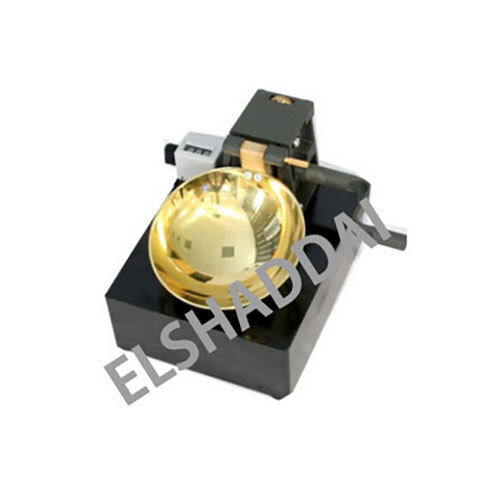
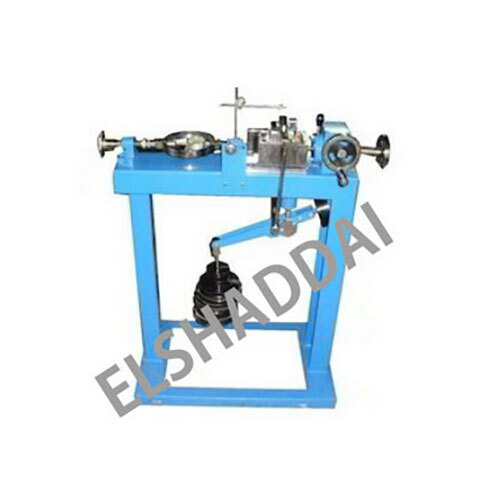
The Liquid and Plastic Limit Apparatus is a crucial piece of equipment in geotechnical engineering, used to determine the Atterberg limits of soil. These limitsspecifically the liquid limit (LL) and plastic limit (PL)are fundamental for understanding soil behavior, classifying soils, and predicting their engineering properties.
Precision Soil Testing for LaboratoriesThis apparatus provides a precise method for measuring the liquid and plastic limits of soil, crucial in geotechnical and civil engineering projects. Designed for accuracy, it meets IS:2720 standards and is fitted with removable parts for easy cleaning and maintenance, making it a dependable choice for busy laboratories and academic environments.
Durable and User-Friendly ConstructionBuilt from powder-coated mild steel with a brass cup and a hard rubber base, the apparatus ensures durability and resistance to corrosion. The manual crank mechanism provides users with complete control over drop rate, while the bench-top design and rectangular base guarantee stability and ease of operation during tests.
FAQ's of Liquid And Plastic Limit Apparatus:
Q: How is the drop height adjusted in the Liquid and Plastic Limit Apparatus?
A: The drop height is easily adjustable up to 10 mm using the device's manual settings. This ensures you can comply with specific test requirements, providing consistency and repeatability in soil limit determination.
Q: What accessories are included with the apparatus?
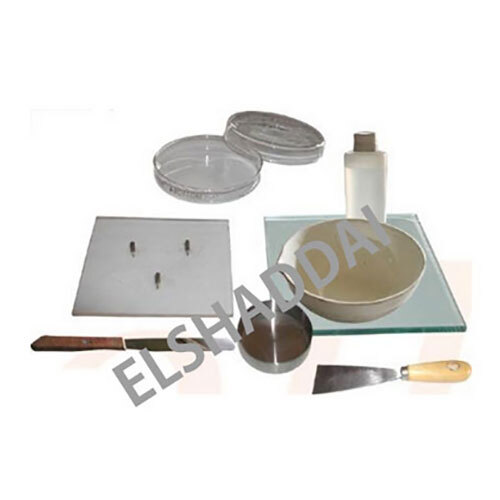
A: The apparatus comes equipped with a brass cup, grooving tool, gauge, spatula, and porcelain evaporating dish, all essential for conducting comprehensive liquid and plastic limit tests in the laboratory.
Q: When should I use this apparatus?
A: This apparatus is intended for laboratory use in determining the liquid and plastic limits of soil samples during soil classification and foundation design processes, as recommended in IS:2720.
Q: Where is this apparatus typically mounted or installed?
A: Purpose-built for bench-top mounting, the apparatus is stable and space-efficient, suited for use in laboratory environments across educational, research, and industrial settings.
Q: What are the benefits of using a manual crank mechanism?
A: The manual crank design allows precise control over the drop rate (approximately 2 drops per second) and overall test process, resulting in highly accurate and reproducible measurements.
Q: How does the powder-coated finishing help in laboratory usage?
A: The powder-coated finish provides excellent resistance to corrosion, enhances durability, and ensures the apparatus remains reliable even with frequent use in varying laboratory conditions.
Q: What is the process for determining the liquid and plastic limit using this apparatus?
A: The process involves preparing a soil sample, placing it in the brass cup, and using the grooving tool to create a groove. The manual crank is then turned, causing the cup to drop at a controlled height and rate until the groove closes, indicating the soil's limit. Measurements are taken using the provided gauge and tools.

 Send Inquiry




 Send Inquiry

 Send Inquiry