About Softening Point Apparatus Ring
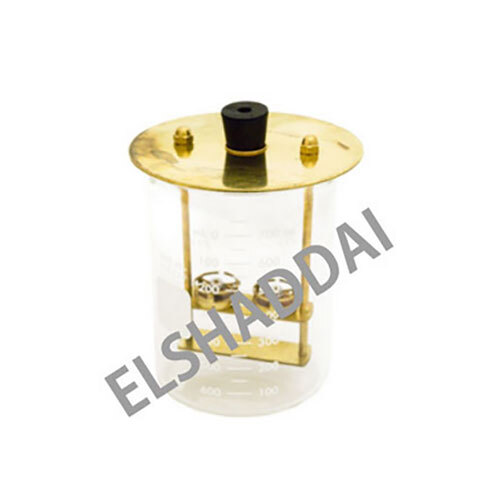
Conforming to the specifications and tolerance in accordance to I.S.-1205 used for the determination of the temperature at which a sample of bituminous material loaded by a 9.5mm. steel ball drops a specified distance when heated under specified conditions. Comprise a water bath of heat resistance glass, two tapered rings, two Ball Centering guide, two steel balls of 9.5mm dia and a ring holder.
Specifications
- Material: Steel
- Type: Pulley for conductor
- Usage: Construction Hoist
- Steel: two steel balls of 9.5mm dia and a ring holder.
Reliable Testing for Construction and Bitumen AnalysisBuilt to provide precise softening point measurements, this apparatus is indispensable for laboratories focused on construction materials analysis, especially bituminous mixes. Its robust construction and use of corrosion-resistant materials ensure consistent performance even under demanding laboratory conditions. The product caters to the requirements of exporters, manufacturers, service providers, and suppliers in India, delivering trusted results aligned with international and BIS test standards.
Manual Operation with User-Friendly DesignThanks to its manual operation, the Softening Point Apparatus does not need electrical power, making it suitable for varied locations. The device is simple to assemble and use, with two brass rings, steel balls, and a heat-resistant glass beaker included. An analog thermometer (not included) allows users to monitor the temperature with precision, and the support stand provides stability during testing, ensuring safe and repeatable results.
FAQ's of Softening Point Apparatus Ring:
Q: How does the Softening Point Apparatus Ring determine the softening point of bitumen?
A: The apparatus measures the temperature at which bituminous material within the brass rings softens and allows a steel ball to drop a specified distance. This is achieved by gradually heating the sample in the beaker while monitoring with an analog thermometer, following IS 1205:1978 or ASTM D36 standards.
Q: What materials are used for the rings, balls, and beaker in this apparatus?
A: The rings are made of brass to ensure durability, the balls are constructed from steel (or as per specific requirements), and the beaker is manufactured from heat-resistant borosilicate glass, ideal for high-temperature testing up to 230C.
Q: When should a laboratory choose a manual softening point apparatus over an electrical one?
A: A manual apparatus is ideal when electrical power is unreliable or unavailable, offering versatility and reliability in various environments, including field and outdoor laboratories.
Q: Where is this apparatus commonly used?
A: This softening point apparatus is widely utilized in bitumen testing laboratories and for construction material analysis in both research and industrial sectors across India and worldwide.
Q: What is the typical process for conducting a test using this apparatus?
A: The process involves assembling the brass rings, preparing the bitumen sample, positioning the steel balls, filling the beaker with water or glycerin, and heating the sample using a Bunsen burner. The temperature is observed via an analog thermometer (not included) until the sample softens and the balls fall, recording the softening point.
Q: What are the benefits of using this softening point test apparatus?
A: Key benefits include compliance with international and Indian standards, robust and corrosion-resistant construction, portability due to manual operation, and components designed for ease of use and longevity.
Q: Is the Bunsen burner included with the apparatus, and what is the warranty period?
A: The apparatus does not include a Bunsen burner; users must provide their own external heat source. The equipment comes with a 1-year warranty covering manufacturing defects.

 Send Inquiry




 Send Inquiry

 Send Inquiry