About Shinkage Limit Apparatus
The Shrinkage Limit Apparatus is used in geotechnical engineering to determine the
shrinkage limit (SL) of soil, which is one of the Atterberg limits. The shrinkage limit is defined as the maximum water content at which a reduction in water content will no longer cause a decrease in the volume of the soil mass. At this point, further drying leads to air entering the voids, keeping the overall volume constant.
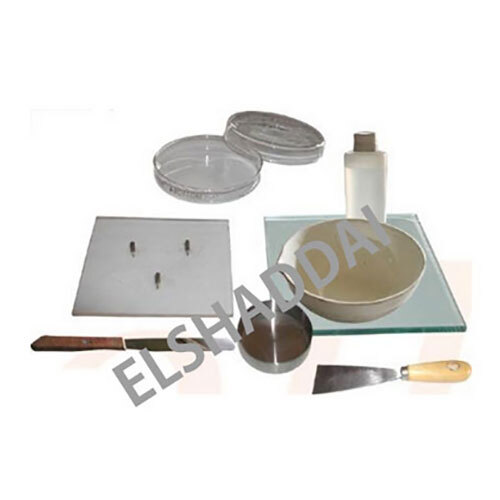
Precision Soil Testing for LaboratoriesEngineered for laboratory use, the Shinkage Limit Apparatus provides high accuracy in determining soil shrinkage limits. Corrosion-resistant materials such as brass, mild steel, and stainless steel guarantee durability, while the manual operation offers controlled and reliable results. The graduated glass measuring cylinder and included stainless steel spatula make the testing process straightforward for technicians and researchers.
Robust and User-Friendly ConstructionWith its easy-to-assemble design, the apparatus is tailored for regular laboratory applications. Precision components, including the 45 mm compaction dish and 75 x 75 mm glass plate, facilitate hassle-free testing. Built for intensive use, the manual, analog controls ensure smooth functionality without requiring electrical power, making it practical and convenient for laboratory environments.
FAQ's of Shinkage Limit Apparatus:
Q: How do I use the Shinkage Limit Apparatus in the laboratory?
A: To use the Shinkage Limit Apparatus, prepare a soil sample and place it inside the brass compaction dish. Use the stainless steel spatula to spread and compact the soil. Once dried, measure the resulting soil volume with the included 25 ml glass measuring cylinder. The process determines the shrinkage limit of the tested soil sample.
Q: What materials are used in the construction of the apparatus?
A: The apparatus is constructed from high-quality materials including brass (compaction dish), mild steel (main support structure), stainless steel (spatula), and glass (measuring cylinder and plate). These materials contribute to the instrument's corrosion resistance and long operational life.
Q: When should this apparatus be used during soil analysis?
A: The apparatus is intended for use during laboratory soil testing procedures when the shrinkage limit needs to be determined. It is especially useful in geotechnical investigations and quality control for construction projects.
Q: Where can I utilize the Shinkage Limit Apparatus?
A: This apparatus is primarily designed for laboratory environments such as geotechnical, civil engineering, and research laboratories. Its robust construction and precision components make it suitable for repeated and rigorous use in such settings.
Q: What is the process for assembling the Shinkage Limit Apparatus?
A: Assembly is straightforward. Simply connect the required components: place the brass compaction dish, install the glass plate, ensure the measuring cylinder is ready, and use the provided spatula. Detailed setup instructions are typically provided by the manufacturer or supplier.
Q: How accurate are the measurements provided by the Shinkage Limit Apparatus?
A: The apparatus offers high accuracy, ensuring reliable data for laboratory tests. The graduated glass measuring cylinder and precision-fitted components help achieve consistent and repeatable shrinkage limit results.
Q: What are the benefits of using this manual apparatus for soil testing?
A: Manual operation allows for precise control during testing, while the corrosion-resistant, easy-to-assemble components ensure longevity and low maintenance. The apparatus's analog measurement system is dependable and does not require a power source, making it ideal for a wide range of laboratory conditions.
 Send Inquiry



 Send Inquiry

 Send Inquiry