About DCP - Dynamic cone penetrometer
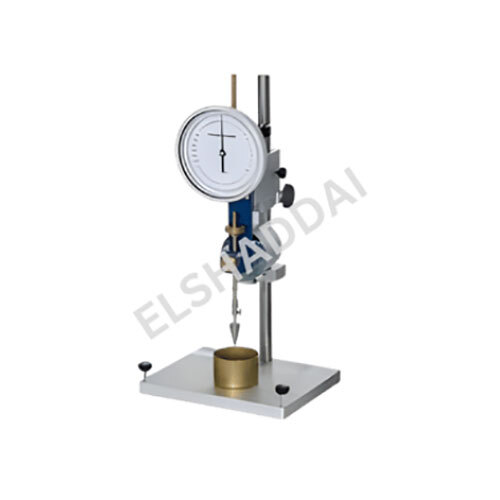
A Dynamic Cone Penetrometer (DCP) is a portable, hand-operated instrument used for rapid in-situ assessment of soil and pavement material properties. It's an essential tool in civil engineering, road construction, and geotechnical investigations.
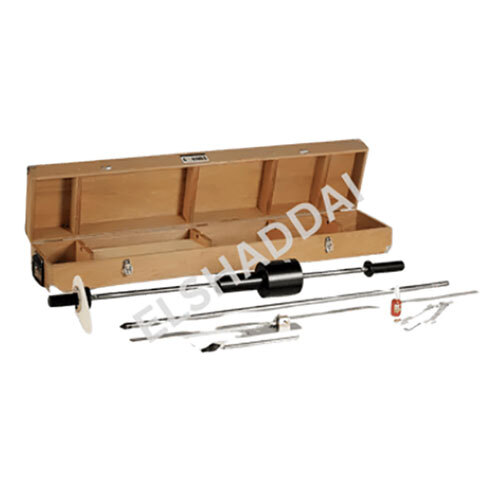
Principle of Operation: The DCP operates on the principle of measuring the resistance of soil to penetration. It consists of a steel rod with a hardened, cone-shaped tip, which is driven into the ground by repeatedly dropping a standard weight hammer from a fixed height onto an anvil. The depth of penetration per blow (or per a set number of blows) is measured and recorded, providing a direct indication of the soil's strength and compaction characteristics.
Efficient Subgrade Strength AssessmentThe DCP enables quick and reliable evaluation of soil strength, particularly CBR values, directly on-site or in laboratories. Its portable design makes it easy to use in diverse environments, maximizing productivity for engineers and technicians during soil investigations, roadworks, and foundation studies.
Durable, User-Friendly DesignEngineered with high-quality mild steel and a corrosion-resistant finish, the DCP stands up to regular use in demanding conditions. Its T-shaped handle provides ergonomic comfort, while the graduated scale ensures precise, easily readable data collection for every test.
FAQ's of DCP - Dynamic cone penetrometer:
Q: How is the Dynamic Cone Penetrometer (DCP) operated?
A: The DCP operates manually, using an 8 kg hammer dropped from a height of 575 mm to drive a steel cone into the soil. The depth of cone penetration per hammer blow is measured with the integrated graduated rod, allowing for immediate assessment of soil properties on site or in a laboratory.
Q: What is the main application of the DCP?
A: The primary use of the DCP is to determine the subgrade strength and California Bearing Ratio (CBR) of field and laboratory soils. This information is essential for evaluating pavement layers, road construction, foundation investigations, and general geotechnical studies.
Q: When should I use a DCP?
A: A DCP is ideal during preliminary site investigations or ongoing construction to quickly assess soil compaction and strength. It is also frequently used during road maintenance evaluations and when laboratory turnaround times need to be minimized.
Q: Where can the Dynamic Cone Penetrometer be used?
A: The DCP is suitable for both field and laboratory environments, functioning effectively at operating temperatures from 0C to 50C. Its portable construction and corrosion-resistant finish make it robust for use in a variety of site conditions and climates.
Q: What is the process for measuring soil strength with the DCP?
A: To assess soil strength, assemble the equipment and position the cone on the test spot. Raise and drop the hammer from the set height, recording the penetration depth after each blow using the graduated rod. The results allow calculation of CBR values and subgrade strength.
Q: What are the advantages of using this DCP model?
A: This DCP is designed for durability, ease of use, and portability. The ergonomic T-shaped handle, easy-to-read graduated scale, and optional data logger support efficiency and accuracy. Its mild steel construction with a corrosion-resistant coating ensures longevity, even in challenging environments.

 Send Inquiry




 Send Inquiry

 Send Inquiry